Found in Florence, SC
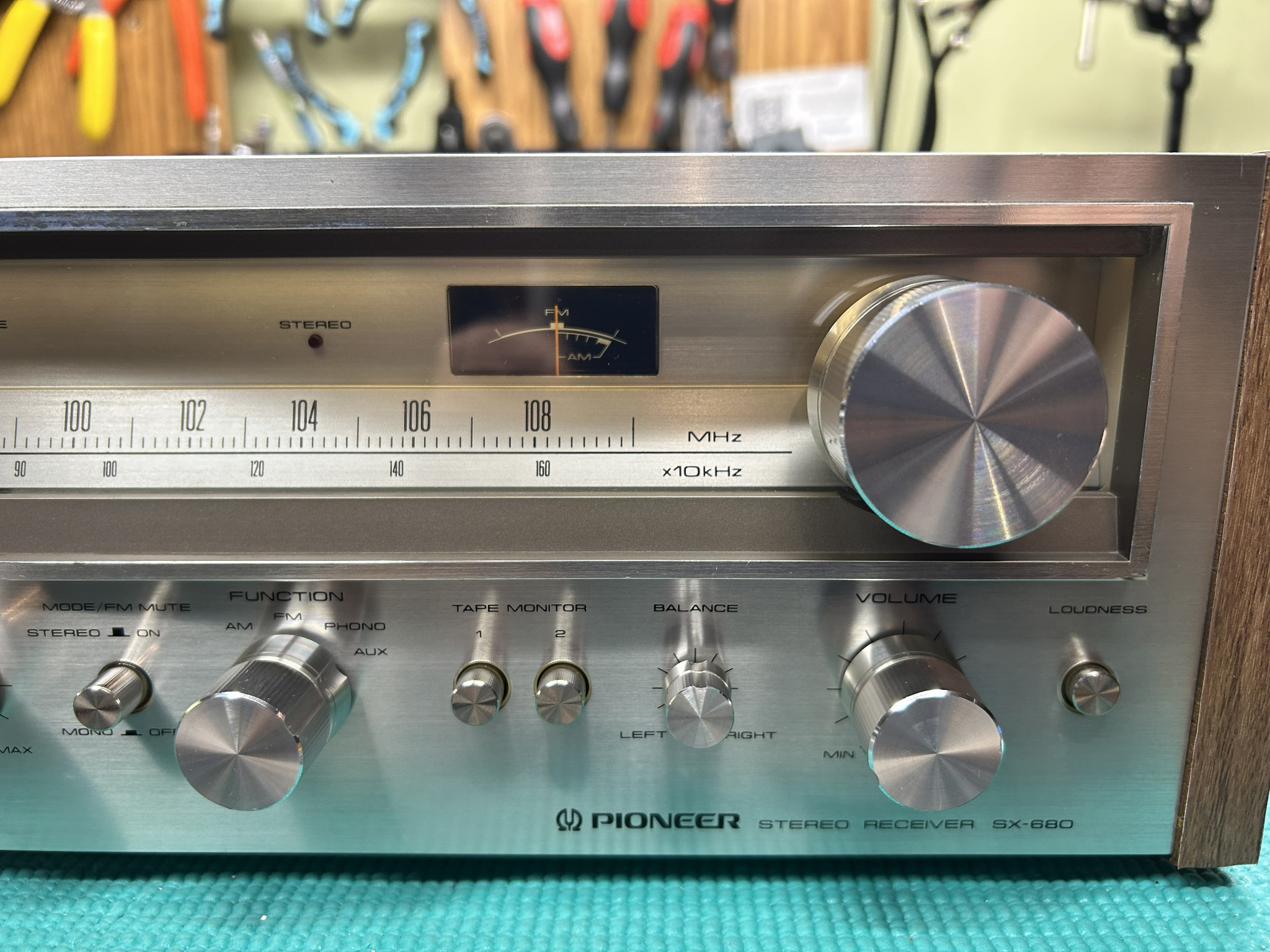
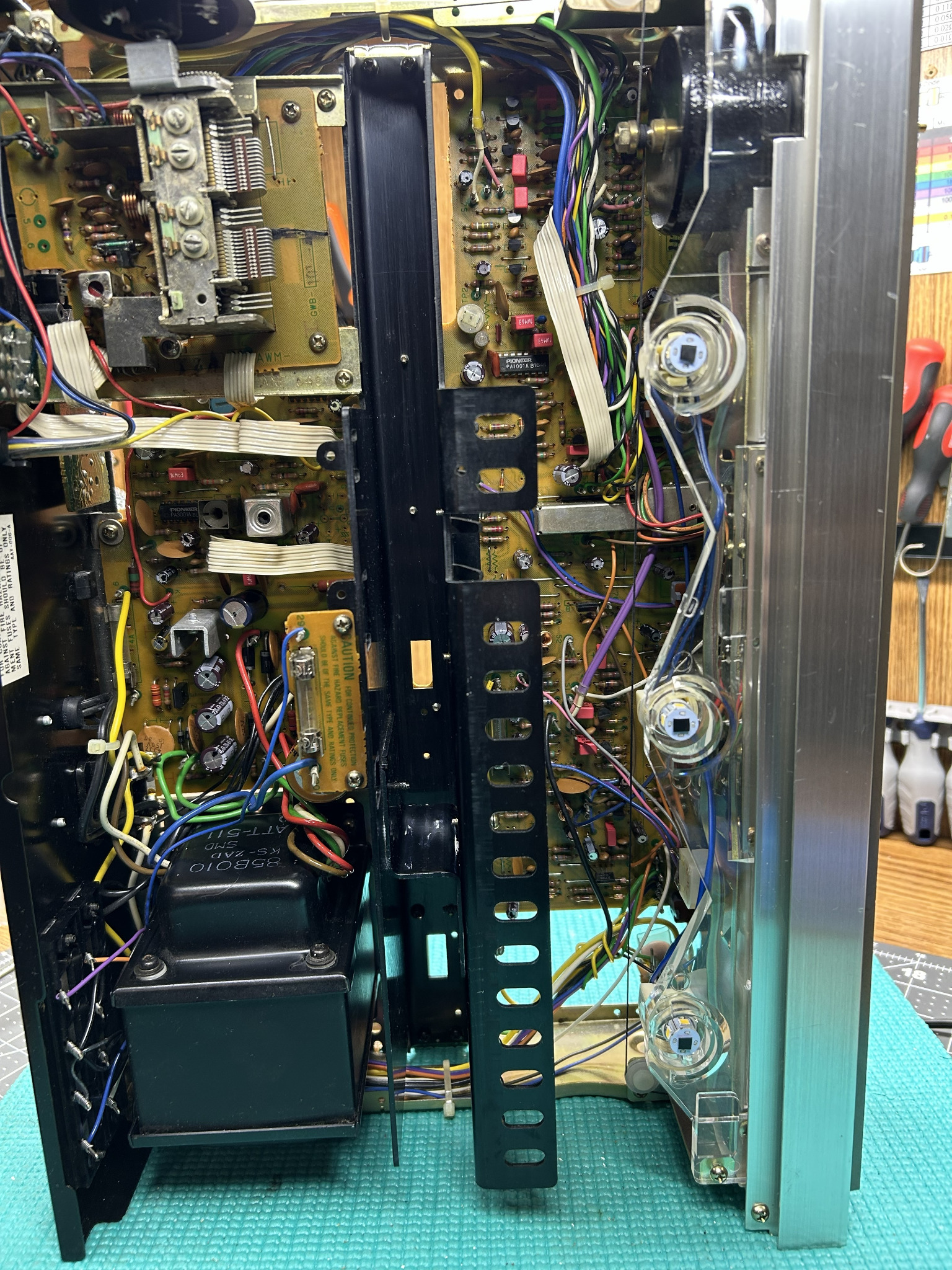
This Pioneer SX-680 was found at a flea market in Florence, South Carolina, in mid-July 2026. It powered on, but nearly fifty years had taken their toll. The factory vinyl veneer was peeling, the controls were scratchy, and the interior was extremely dirty and dusty—so heavily in places that components on the circuit board were barely visible.
Before any restoration work began, the receiver was brought up carefully on a dim-bulb tester. No shorts were present. Initial checks of the amplifier showed that the receiver was fundamentally healthy enough to proceed, and the restoration began with a thorough cleaning.
Straightforward. Not superficial.
Not every vintage receiver arrives with a mystery to solve. Once cleaned and evaluated, this SX-680 proved to be a fundamentally healthy example. There were no major failures or hidden surprises. The restoration was straightforward.
That did not mean cutting corners. The goal was the same as with every ECB Audio Labs restoration: address age-related components and known trouble areas, restore the mechanical and cosmetic condition, verify the circuitry under load, and leave the receiver ready for years of use.
Inside the SX-680
The electrical overhaul went well beyond a simple recap. Life-limited components and known trouble areas were addressed throughout the receiver, followed by calibration and bench verification.
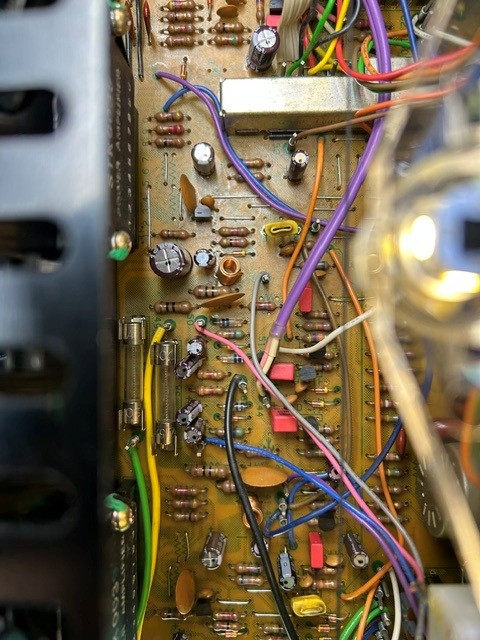
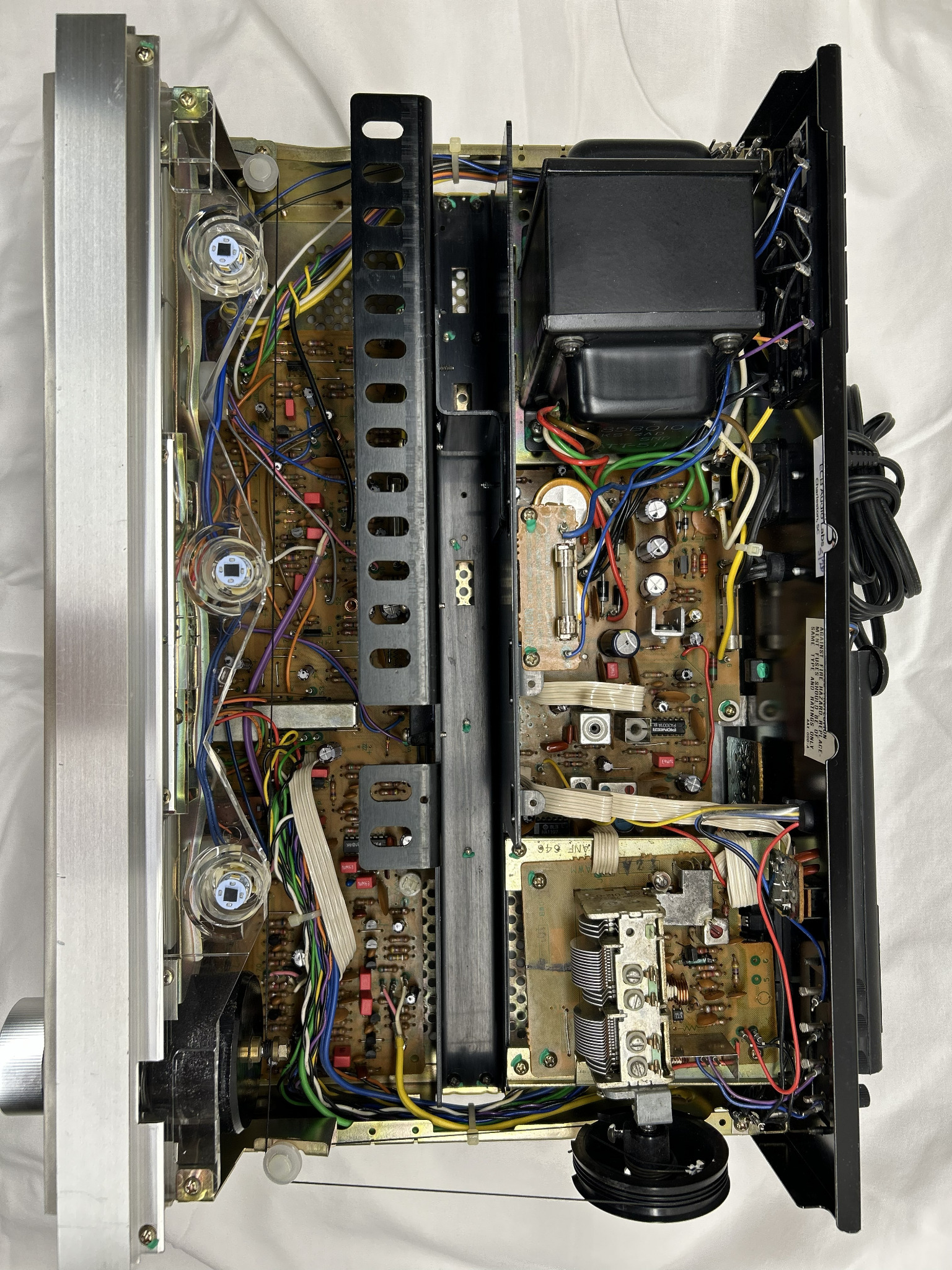
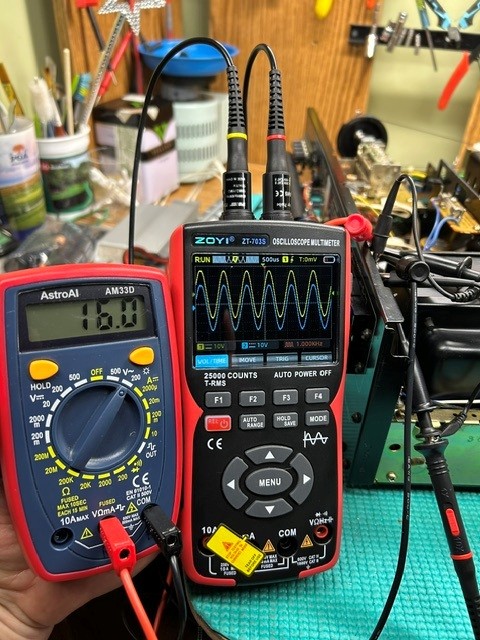
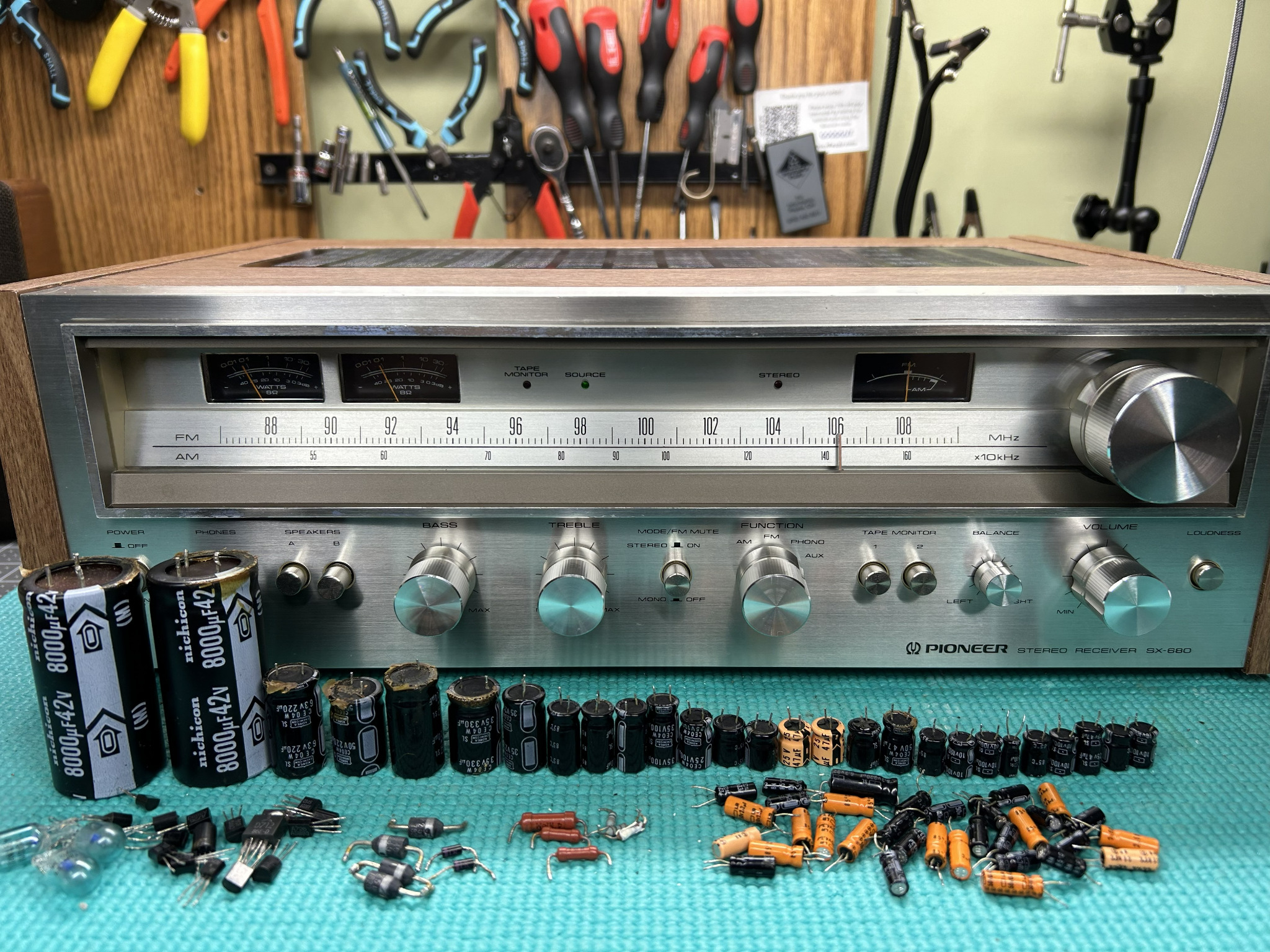
A full electrolytic recap used modern Nichicon, Panasonic and WIMA components, including new Nichicon main filter capacitors. Known noisy or failure-prone small-signal and driver transistors were replaced, with the front-end differential pairs hand-matched for gain. Failure-prone regulator/varistor diodes and selected power-supply resistors were also renewed.
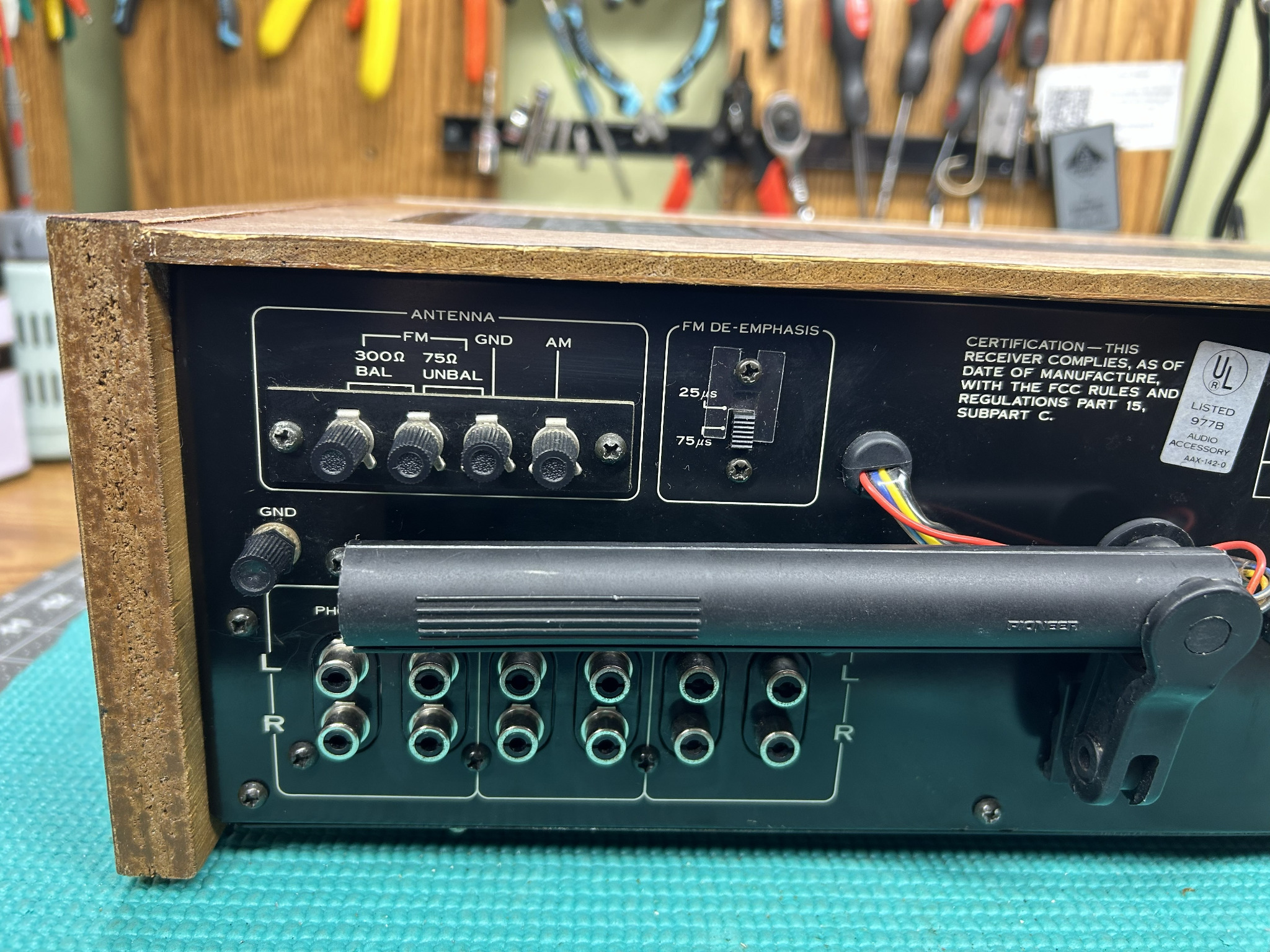
Factory adhesive was removed, grounding points were re-soldered, and selected high-stress PCB traces were reflowed. The original STK0039 power packs tested within specification and received fresh thermal compound. Tuner tracking and VU meter tracking were also verified.
Tested, not assumed.
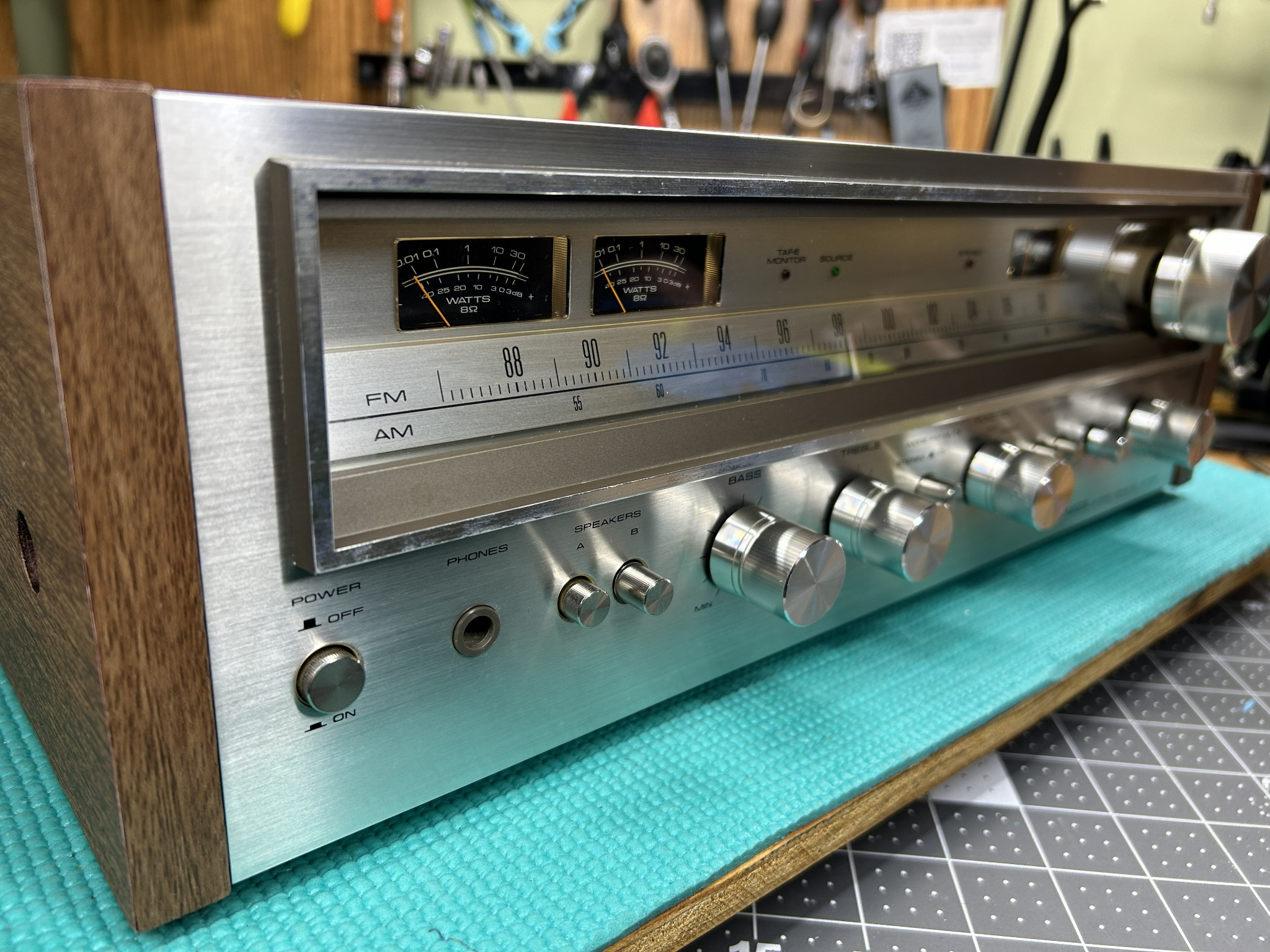
The receiver was checked by oscilloscope with sine- and square-wave testing, driven through rated output under controlled load, and given a minimum four-hour thermal stress test into an 8-ohm dummy load at 50% rated power.
Final output measured 32 watts per channel, exceeding Pioneer's 30-watt service-manual minimum. DC offset measured just 1 mV left and 2 mV right.
Cosmetic Restoration
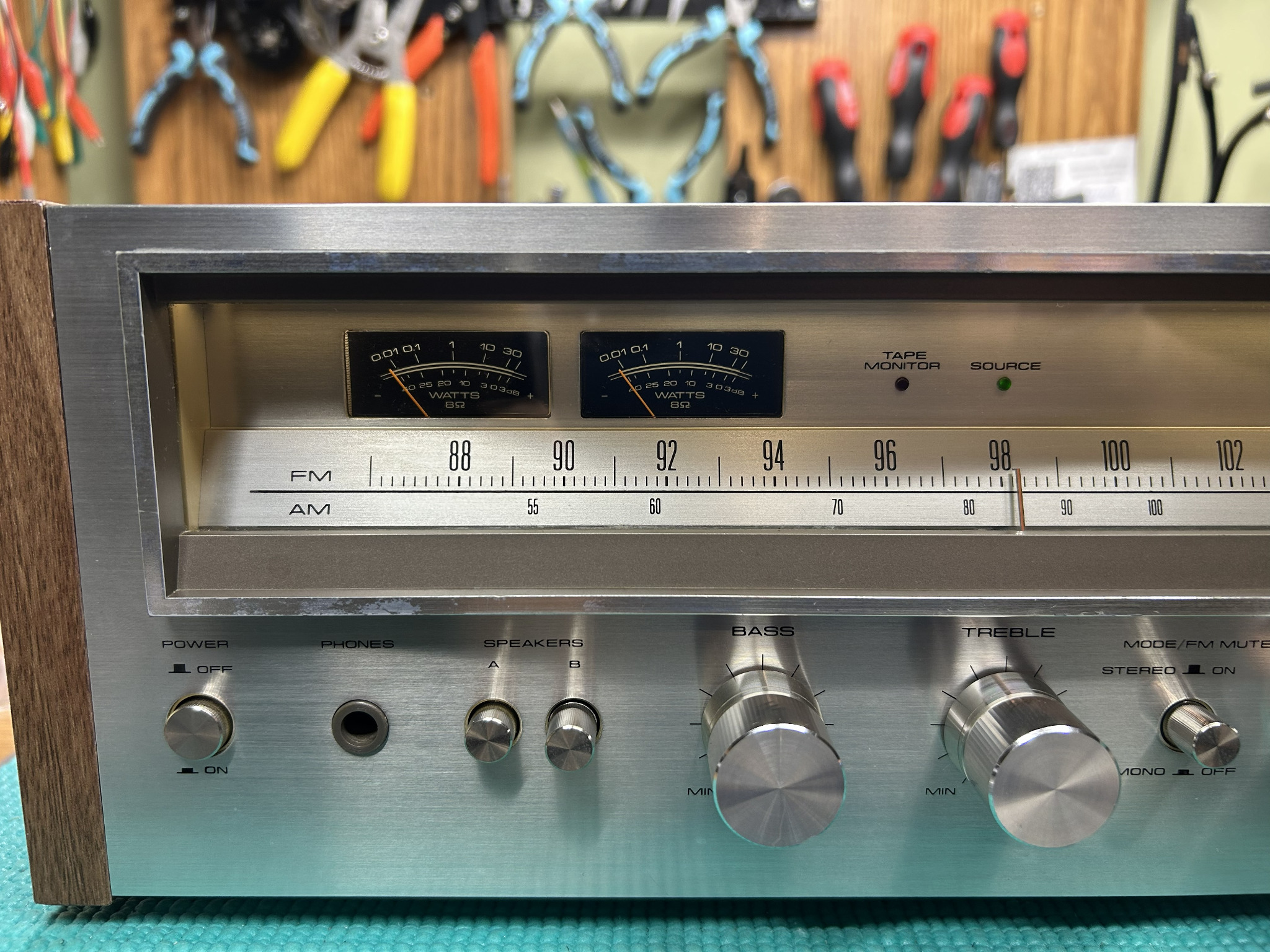
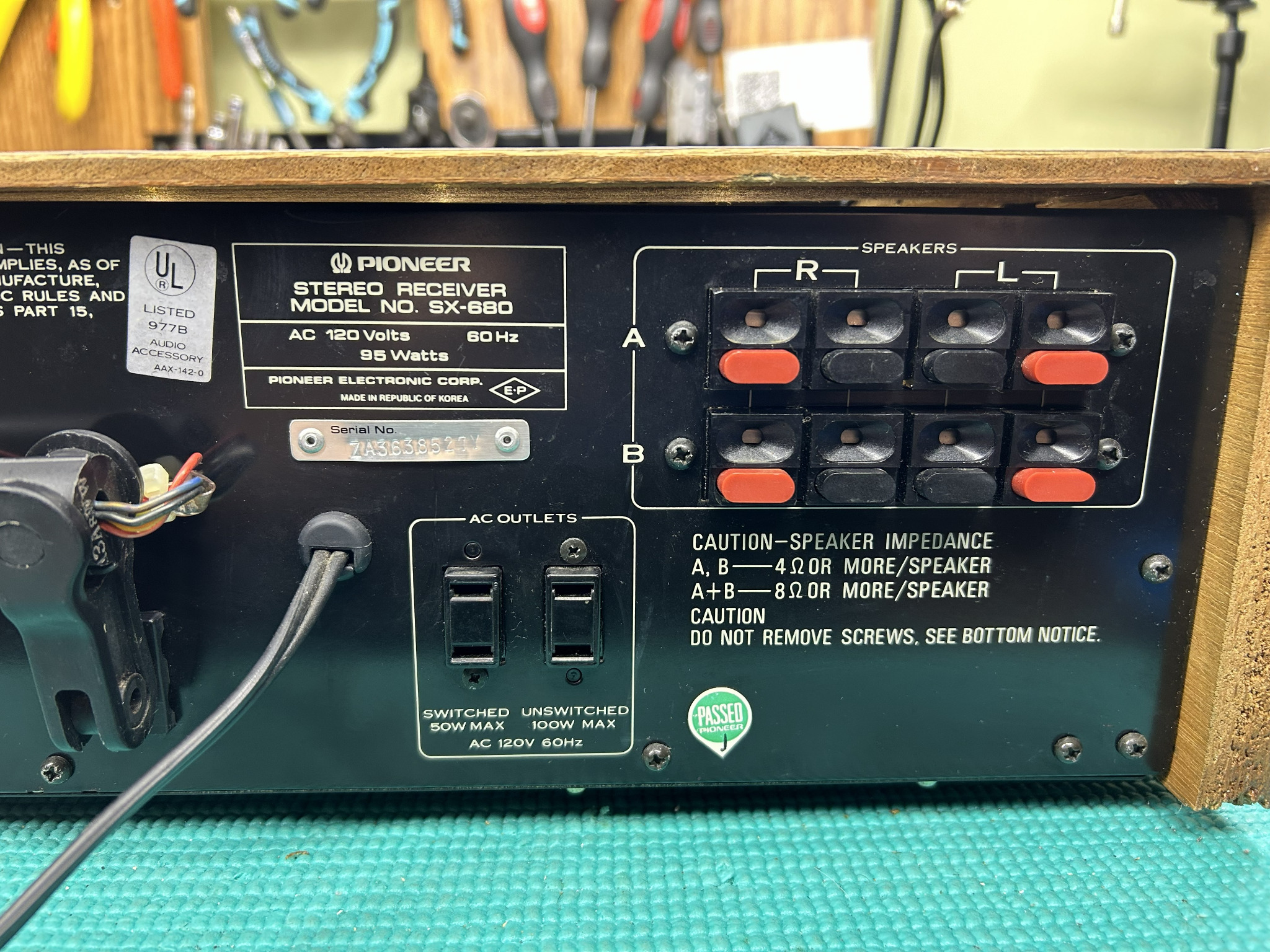
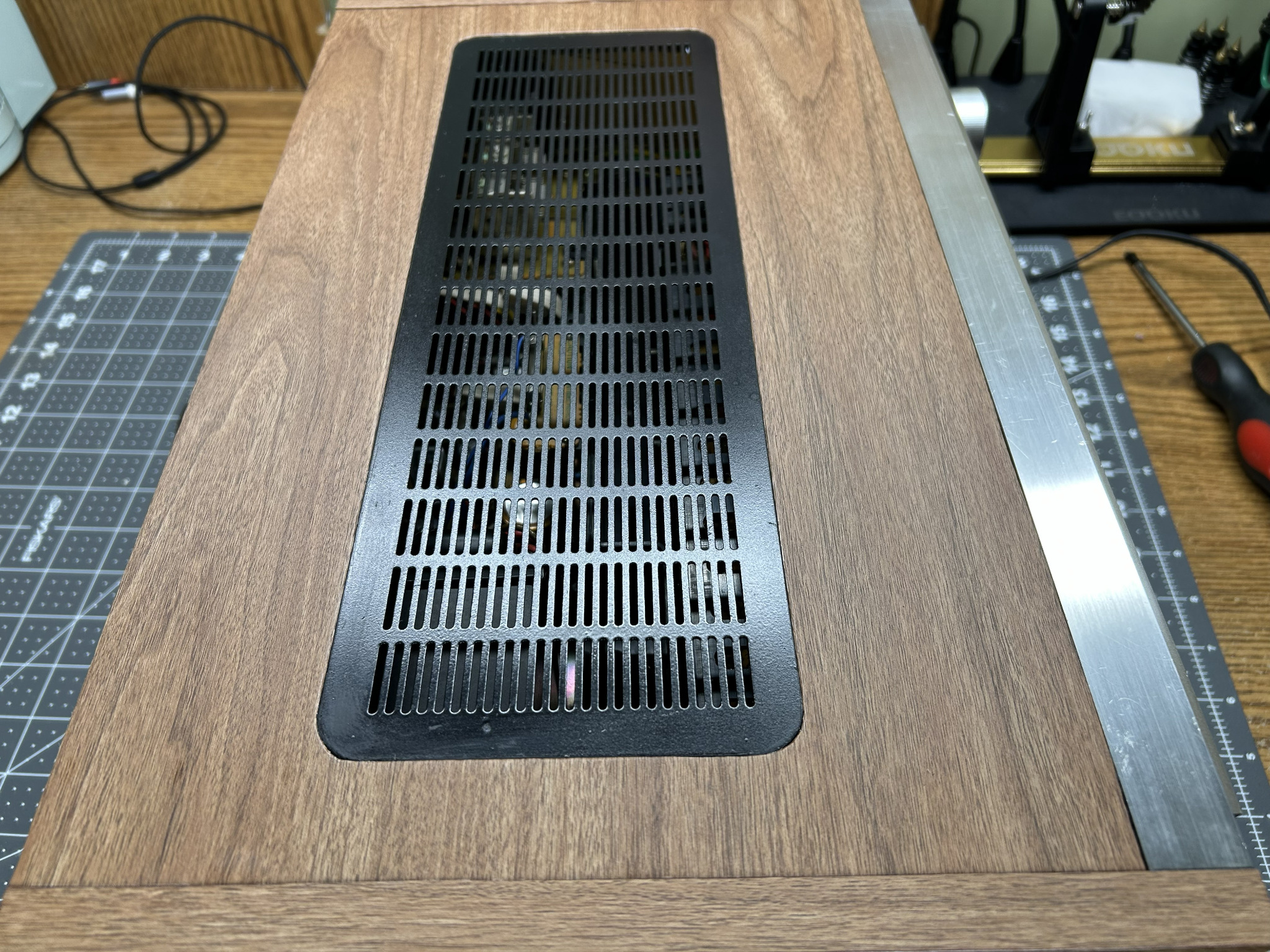
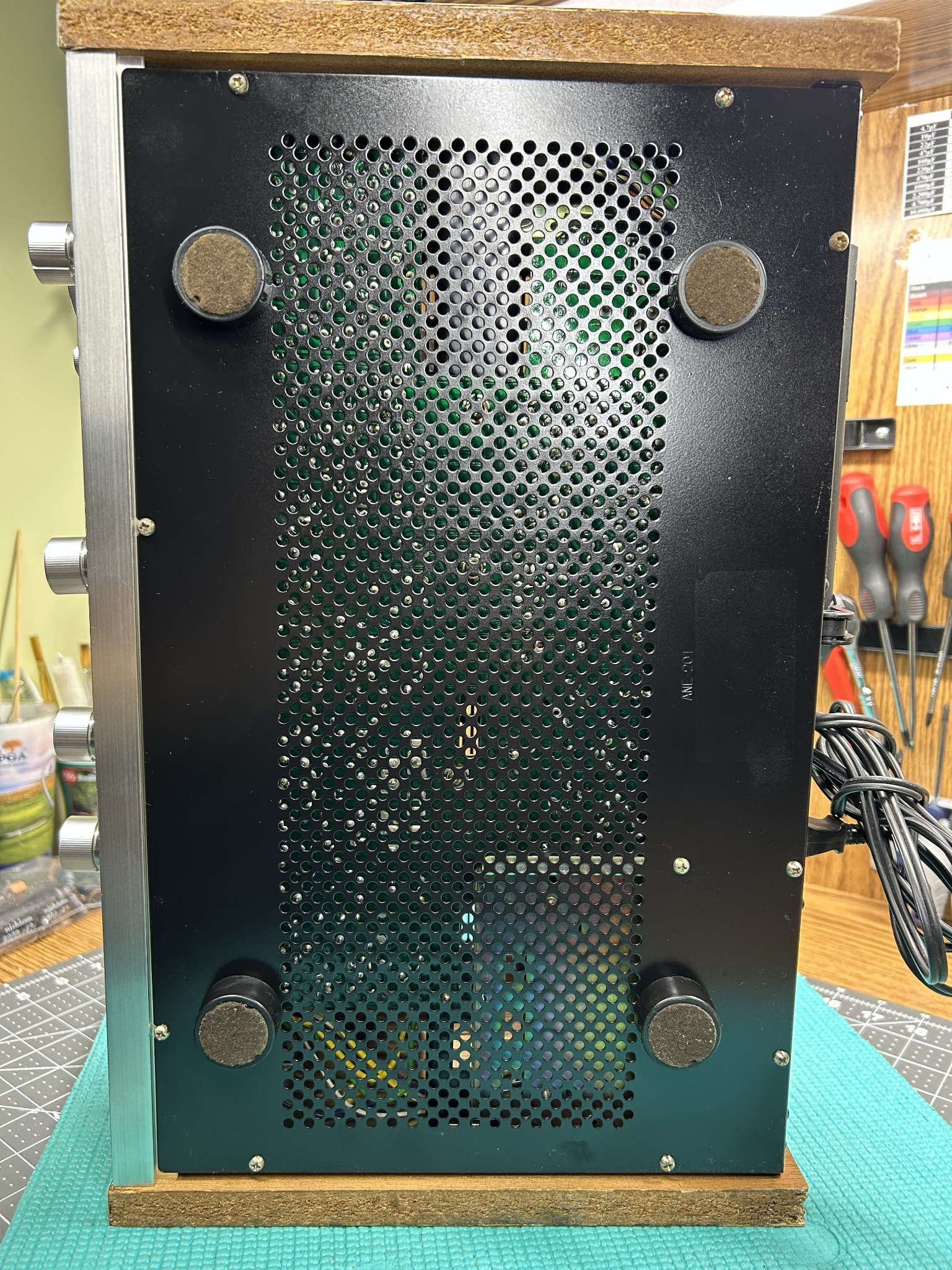
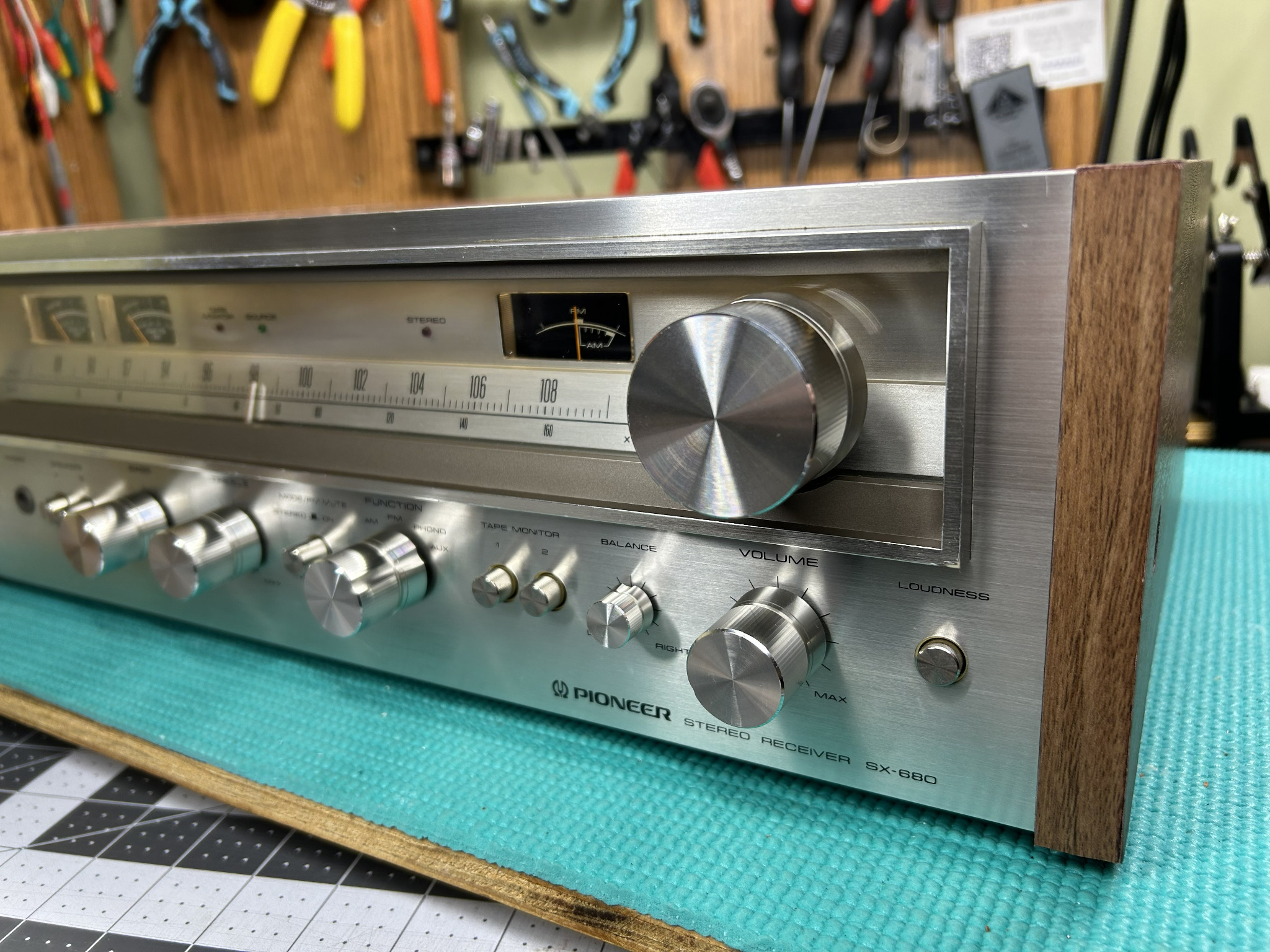
The faceplate was removed, cleaned and polished, and every knob was detailed. The original peeling vinyl cabinet covering was replaced with period-correct walnut vinyl veneer. The lower chassis was cleaned and refinished with a protective black coating, and the dial and meter lighting was converted to warm-white LEDs to preserve the original appearance while reducing heat.
What came out stays with the story.
The original replaced components remain with the receiver as its “Bag of Bones,” accompanied by the Certificate of Restoration. Together they document the work performed and preserve a tangible piece of the receiver's history.
View the Certificate →Ready for another lifetime.
A simple flea-market find became a clean, stable and thoroughly documented SX-680—restored to be used, enjoyed and preserved.